Enhance Your Surroundings: The Power of Skilled Architectural Design Expertise
Skilled architectural design offerings fulfill an essential role in redefining living and working areas. They combine functionality with aesthetics, guaranteeing that every project satisfies functional requirements and aesthetic expectations. Architects employ advanced techniques and sustainable practices, adapting their concepts to suit local expectations. Still, a great number of people do not realize how these solutions can reveal the hidden possibilities within their surroundings. Investigating the wide-ranging merits of collaborating with an architect exposes discoveries that could revolutionize any setting.
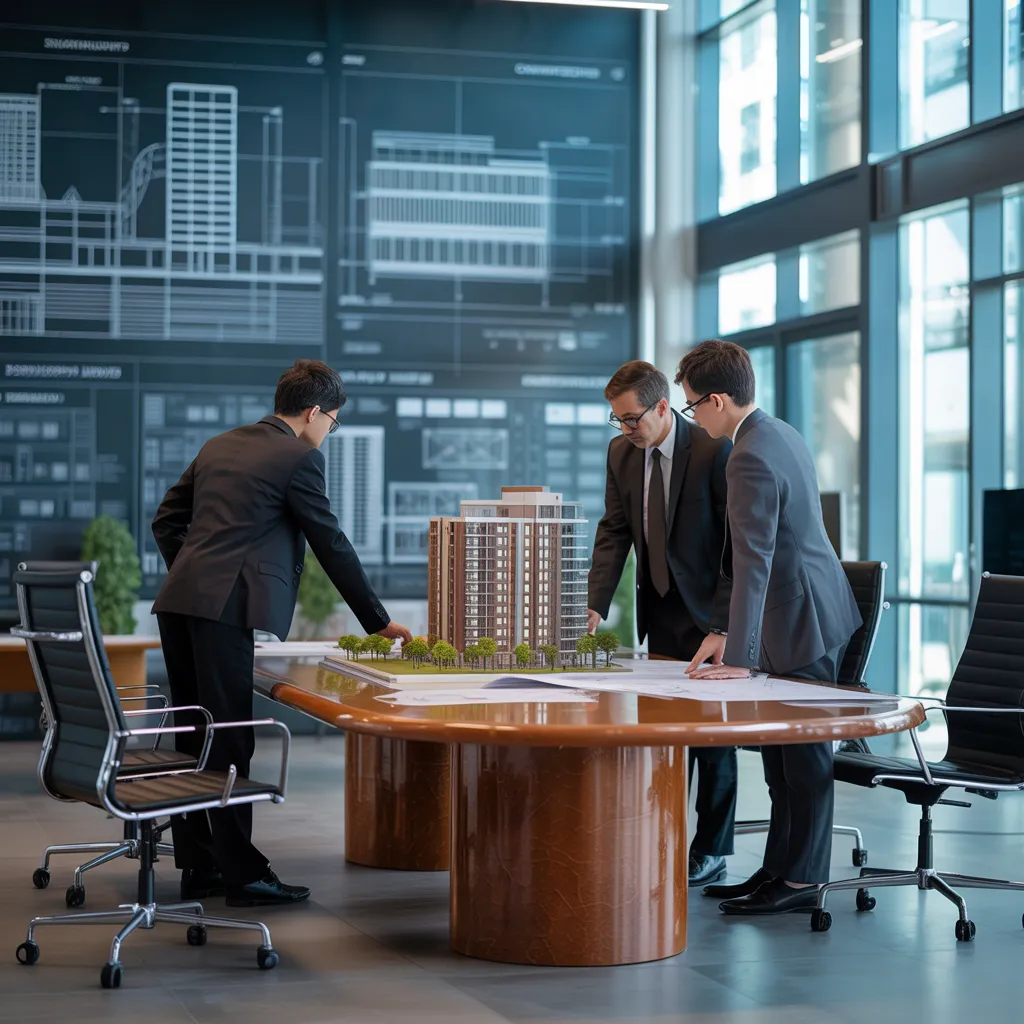
Exploring the Advantages of Expert Architectural Services
Revealing the importance of professional architectural design is crucial for elevating both functionality and aesthetic appeal in any endeavor. Skilled architectural design extends far beyond aesthetics; it combines the principles of space planning, environmental sustainability, and structural integrity. By utilizing advanced techniques and a profound understanding of building materials, architects develop spaces that are not only beautifully appealing but also efficient and practical.
Furthermore, professional architects consider the distinct aspects of every project, including local regulations, climate, and community needs. This holistic approach assures that the design is not only forward-thinking but also compatible with its environment. They leverage state-of-the-art technology, such as advanced 3D modeling, to give clients a clear picture of the final product. Ultimately speaking, committing to professional architectural design yields long-term benefits, enhancing both the experience of the occupants and the overall value of the property.
Major Benefits of Working with an Architect for Your Design Project
Engaging an architect for a design project offers numerous advantages that improve both the overall process and end result. Architects bring a depth of knowledge, making certain that projects adhere to local regulations and building codes, which can eliminate costly complications down the line. Their ability to develop thorough plans and documentation helps optimize the construction process, minimizing delays and miscommunication among contractors.
Furthermore, architects are skilled in coordinating projects, handling diverse aspects of both the design and construction stages. Such supervision ensures that time frames and budgets are respected, offering clients confidence. Furthermore, architects can recognize see information on this potential obstacles early in the design process, permitting proactive resolution of issues. Their knowledge of various materials and construction approaches often produces innovative approaches that improve overall efficiency and sustainable practices. When all is considered, engaging an architect not only improves the overall design but also improves the complete experience for clients.
Advancing Aesthetics and Functionality Through Architectural Mastery
Architecture expertise serves a fundamental role in improving both visual appeal and functionality in construction projects. By applying creative design approaches, optimizing space, and choosing eco-friendly materials, architectural professionals can craft environments that are aesthetically pleasing and functional. This approach not only meets client needs but also supports ecological awareness.
Advanced Design Strategies
Creative design solutions elevate spaces by effortlessly merging aesthetics with functionality. Skilled designers utilize dynamic techniques to satisfy a wide range of client demands while enhancing visual appeal. By incorporating materials, colors, and forms that resonate with the environment, experts develop unified settings that capture distinctive styles. Cutting-edge technology, including 3D visualization and virtual environments, provides lifelike renderings, allowing clients to preview designs prior to execution. Moreover, integrating sustainable practices ensures that spaces are both visually appealing and environmentally responsible. Through deliberate assessment of natural light, spatial dynamics, and circulation, these strategies improve functionality and encourage positive experiences. At its core, visionary design encourages a unique synergy between function and artistry, enhancing the standard of both residential and professional spaces.
Space Optimization Techniques
Optimizing space requires careful planning and thoughtful design methods that improve both visual appeal and practicality. Skilled architectural design professionals apply strategies like open floor plans, which remove redundant walls and promote a feeling of openness. Versatile furniture pieces can be incorporated to fulfill multiple roles, ensuring that every square foot is utilized effectively. Furthermore, careful positioning of windows and mirrors can produce the effect of more expansive areas, inviting natural light and boosting visual depth. Architects also consider circulation patterns, making certain that navigation through a space is both natural and streamlined. By emphasizing these space-maximizing approaches, architects transform environments into harmonious areas that not only seem inviting but also serve the everyday needs of those who use them.
Green Material Options
As sustainability becomes a priority, architects are increasingly drawn to eco-friendly materials that enhance both aesthetics and functionality. Making use of options such as recycled metal, bamboo, and reclaimed wood not only minimizes ecological footprint but also brings distinctive character to interiors. These decisions support a balanced design approach, merging effortlessly with organic landscapes. Furthermore, integrating options such as low-emission paints and thermally efficient glass elevates interior air quality and optimizes thermal performance, directly supporting the well-being and comfort of occupants. Through the thoughtful choice of sustainable materials, architects create visually appealing environments that resonate with eco-conscious clients. This philosophy nurtures a more accountable architectural discipline, demonstrating that aesthetics and environmental responsibility are compatible, while meeting the growing demand for sustainable solutions in contemporary design.
How Technology Shapes Today's Architectural Designs
Currently, numerous technological advancements significantly impacts architectural design, revolutionizing how structures are planned and developed. Building Information Modeling empowers architects to develop intricate 3D representations, encouraging better teamwork among all parties involved and maintaining accuracy throughout the planning phase. In addition, virtual reality (VR) and augmented reality (AR) allow clients to experience spaces before they are built, leading to better-informed and more instinctive design decisions.
Sustainability has also been enhanced through technology, with energy simulation tools assisting architects in maximizing building efficiency by simulating energy consumption and environmental impact. Furthermore, cutting-edge materials and construction approaches, such as 3D printing and prefabrication, optimize the construction workflow, lowering overall costs and construction time. The use of drones and robotics for site evaluations and inspections is growing, providing real-time data that improves accuracy and safety. Overall, technology not only enhances creativity but also guarantees that architectural designs meet modern demands for efficiency and sustainability.
Frequent Myths Surrounding Architectural Services
Numerous people harbor false beliefs about architectural services, believing that they are unreasonably priced and that architects solely concentrate on building design. This restricted outlook overlooks the broad spectrum of services architects provide, including planning and consultation. Recognizing these misunderstandings is vital for appreciating the true value of architectural expertise.
Architectural Services Are Expensive
The notion that architectural services are excessively costly often originates from false assumptions about their worth and range. Numerous people associate elevated prices with a lack of affordability, failing to recognize the long-term gains that professional design can offer. Architectural services encompass more than just drafting plans; they involve extensive planning, regulatory compliance, and innovative problem-solving. By investing in these services, clients often reduce expenses in the long run through efficient resource use, reduced construction errors, and increased property value. In addition, the scope of a project can greatly impact costs, making it essential to understand that a well-planned design can lead to considerable monetary benefits. Ultimately, regarding architectural services as an asset rather than an cost can transform perspectives and enhance appreciation for their importance.
Architects Only Design Buildings
A frequent misunderstanding is that architects are exclusively concerned with designing structures. The fact is, their professional capabilities go much further than basic building design. Architects participate in urban planning, landscape architecture, and interior environments, maintaining balance among diverse components. They collaborate with clients to create functional environments that enhance quality of life. Moreover, architects take part in sustainable development, weaving green practices into their architectural solutions. They often work on public spaces, parks, and community projects, addressing social needs and improving urban infrastructure. In addition, architects offer essential guidance during renovation and restoration endeavors, maintaining historical importance while meeting contemporary requirements. This versatile profession highlights their significance in influencing not only structures, but whole neighborhoods and surroundings.
Picking the Ideal Architect for Your Design Vision
How does one confirm that the architect they choose suits their unique aesthetic vision? Finding the right architect requires careful consideration of multiple important aspects. First, looking through an architect's portfolio can offer a glimpse of their design style and expertise. This process allows prospective clients determine if the architect's earlier designs resonates with their own aesthetic preferences.
Moreover, clear communication is essential. Participating in early discussions helps clients communicate their ideas and requirements effectively. The capacity of an architect to attentively hear and reply considerately shows their genuine investment in understanding the client's needs.
In addition, checking references and client testimonials can reveal the architect's professionalism and dependability. It is essential to confirm that the architect has expertise applicable to the project's scope, whether residential or commercial. Ultimately, a carefully selected architect can bring a vision to life, making the choice of architect essential for ensuring successful architectural achievements.
Notable Accomplishments in Architectural Design
Bringing ideas to life, remarkable architectural achievements illustrate the profound impact of careful planning and innovative execution. A prime illustration is the transformation of a historic warehouse into a vibrant community center. Architects meticulously preserved original architectural elements while blending in modern conveniences, producing a venue that promotes teamwork and meaningful connection.
Another inspiring case highlighted a eco-conscious housing project that made use of green materials and forward-thinking design strategies. This strategy not only lowered emissions but also fostered a balanced and comfortable living space, creating a reference point for future residential developments.
Across urban settings, the reimagining of underutilized spaces into lush recreational areas showcases how thoughtful planning can improve the quality of life for residents. Each example highlights a commitment to improving both form and function, proving how expert architectural solutions can transform environments and enrich daily living. These successes serve as a demonstration of the remarkable potential of thoughtful urban planning in shaping environments for future generations.
Questions We Often Receive
What Qualifications Should I Look for in an Architect?
When seeking an architect, one should prioritize qualifications such as an applicable degree, proper licensing, varied portfolio experience, strong communication skills, and expertise in the specific project type to guarantee effective collaboration and successful outcomes.
How Long Does the Architectural Design Process Typically Take?
The architecture design workflow usually spans three to six months on average, subject to project scope, client specifications, and required regulatory approvals. Strong communication and teamwork can help accelerate this schedule, making certain the completed design is provided promptly.
What Are the Costs Associated With Hiring an Architect?
The expenses related to engaging an architect typically range from 5% to 15% of the complete project budget, based on the complexity and scope. Extra charges may occur for meetings, revisions, and specialized offerings during the design process.
Do Architects Provide Help With Permits and Zoning Regulations?
Indeed, architects can provide support for permits and zoning regulations. Their specialized knowledge secures compliance with local laws, streamlining the application process and minimizing possible setbacks, ultimately facilitating the successful realization of a project.
What Is the Best Way to Communicate My Vision to an Architect?
To engage productively with an architect, it is essential to prepare visual materials, communicate particular needs, discuss preferences, and remain open to suggestions. Transparency and cooperation promote a constructive exchange, guaranteeing that goals are consistent with professional architectural knowledge.
Advance